How To

How to enter and exit full-screen mode for apps in Windows
Full-screen mode in Windows can be a great way to focus, but it often behaves differently depending on the type of app you’re using. While standard shortcuts like F11 or Alt + Tab work for most situations, stuck applications may require more advanced methods like the Task Manager or PowerShell.
Read now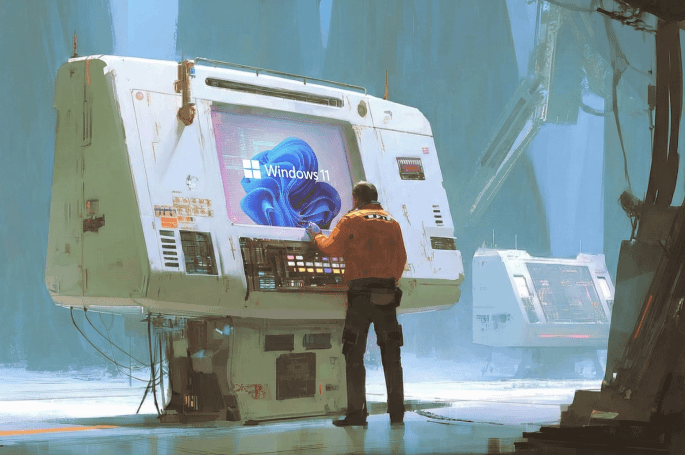
How to view and manage environment variables in Windows
Environment variables are critical Windows shortcuts that direct how applications find files and resources. Managing them effectively through the GUI, Command Prompt, or PowerShell is essential for production stability.
Read now
How to bypass “This app has been blocked for your protection” in Windows 10
Windows security blocks act as essential gatekeepers that prevent unverified or high-risk software from compromising your system. While these messages can stall productivity, IT professionals can use methods like adjusting UAC settings, unblocking file metadata, or using PowerShell to safely bypass them.
Read now
How to create a Windows symlink
Symbolic links (symlinks) are essential NTFS tools that allow IT professionals to redirect file and folder paths without breaking application dependencies. By understanding the differences between symlinks, junctions, and hard links, you can optimize storage and simplify complex software deployments.
Read now
How to fix slow DNS lookup
Slow DNS is often caused by outdated server addresses or clogged caches rather than a bad internet connection. You can fix this by clearing your DNS cache or switching to faster public resolvers like Google or Cloudflare.
Read now
How to clear cache in Edge
Microsoft Edge cache often causes slow loading, login loops, and broken web app layouts. This blog provides a safe manual guide and an automated PowerShell script to clear temporary files without losing passwords or bookmarks.
Read now
How to check what graphics card you have
Graphics cards come in integrated, discrete, and external forms, with each operating system using different tools like Task Manager, lspci, or System Report to track them.
Read now
How to fix mouse double clicking
Mouse double-clicking is usually caused by mechanical wear, but can also stem from signal interference or driver bugs. Troubleshooting should start with software adjustments like double-click speed and firmware updates before concluding that the hardware is failing.
Read now
How to show on Windows 11 more options by default
Windows 11 forces users to click "Show more options" to see the full context menu, but you can bypass this by adding a specific CLSID key to your registry. While manual edits work for one PC, using PowerShell is a faster way to restore the classic Windows 10 style menu instantly.
Read now
How to move Windows 11 taskbar to the left
Moving the Windows 11 taskbar to the left is simple on a single device, but keeping it there across updates, profiles, and managed environments is the real challenge. Manual settings work for individuals, while registry editor and PowerShell scripts offer more control.
Read now
How to find printer IP address
Managing printers can be trickier than it seems. Finding IP addresses across Windows, Mac, iOS, Android, and cloud devices can take up valuable IT time and slow down workflows. Luckily, there are several ways to locate printer IPs on different platforms, helping you keep devices connected and running smoothly.
Read now
How to fix Alert! TPM device is not detected
Your laptop won't boot past BitLocker. Windows Hello suddenly stops working. Fifty devices fail compliance checks overnight. TPM detection errors look catastrophic but rarely are since most trace to a disabled BIOS setting or missing driver. Follow the right troubleshooting path (firmware first, then OS, then hardware) and you'll resolve most TPM issues remotely in minutes.
Read now