Harris Emekayobo

How to fix Alert! TPM device is not detected
Your laptop won't boot past BitLocker. Windows Hello suddenly stops working. Fifty devices fail compliance checks overnight. TPM detection errors look catastrophic but rarely are since most trace to a disabled BIOS setting or missing driver. Follow the right troubleshooting path (firmware first, then OS, then hardware) and you'll resolve most TPM issues remotely in minutes.
Read now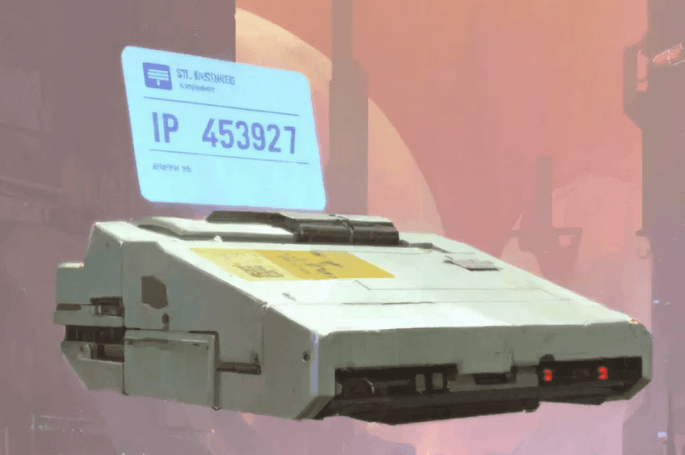
How to find printer IP address
Managing printers can be trickier than it seems. Finding IP addresses across Windows, Mac, iOS, Android, and cloud devices can take up valuable IT time and slow down workflows. Luckily, there are several ways to locate printer IPs on different platforms, helping you keep devices connected and running smoothly.
Read now
What is network performance management?
Your network monitoring says everything's fine, but users are complaining about slow apps and connectivity issues. Basic monitoring only tells you when devices go offline, but network performance management reveals why performance degrades, predicts problems before users complain, and transforms reactive troubleshooting into proactive optimization across your entire infrastructure.
Read now
How to fix mouse double clicking
Mouse double-clicking is usually caused by mechanical wear, but can also stem from signal interference or driver bugs. Troubleshooting should start with software adjustments like double-click speed and firmware updates before concluding that the hardware is failing.
Read now
How to check what graphics card you have
Graphics cards come in integrated, discrete, and external forms, with each operating system using different tools like Task Manager, lspci, or System Report to track them.
Read now
How to create a Windows symlink
Symbolic links (symlinks) are essential NTFS tools that allow IT professionals to redirect file and folder paths without breaking application dependencies. By understanding the differences between symlinks, junctions, and hard links, you can optimize storage and simplify complex software deployments.
Read now
How to bypass “This app has been blocked for your protection” in Windows 10
Windows security blocks act as essential gatekeepers that prevent unverified or high-risk software from compromising your system. While these messages can stall productivity, IT professionals can use methods like adjusting UAC settings, unblocking file metadata, or using PowerShell to safely bypass them.
Read now
How to fix the “class not registered” error (0x80040154) in Windows 11
The "Class Not Registered" error (0x80040154) occurs when Windows 11 cannot find the COM class required to launch an application or system tool. While manual fixes like re-registering DLLs, running SFC/DISM, or resetting apps can resolve individual instances, enterprise-level stability requires a more centralized approach.
Read now
How to verify if Credential Guard is enabled or disabled in Windows
Credential Guard is a critical Windows security feature that uses virtualization to isolate login secrets, effectively stopping credential theft attacks like Pass-the-Hash. For it to work, your hardware must support UEFI, Secure Boot, and TPM 2.0
Read now
How to check Linux version
Linux version information lives in multiple locations, like /etc/os-release for distribution details, uname for kernel versions, and lsb_release for standardized output. Checking versions manually works for single systems, but IT teams managing server fleets need automated inventory scanning that tracks OS versions, kernel patch levels, and distribution updates across hundreds of endpoints without SSH-ing into each one individually.
Read now
How to enable or disable the Action Center in Windows 10 and 11
The Action Center centralizes system alerts and quick toggles, but it requires specific background services and shell integrations to function correctly. While hiding the interface stops visual distractions, notifications still process in the background, making proactive management necessary for security.
Read now